The Visionaries Behind
Cinematic History
In cinema, true auteurs leave an unmistakable signature across every frame. Discover the obsessions, visual trademarks, and defining masterpieces of the world's most influential directors.

Christopher Nolan
Master of temporal puzzles, practical illusions, and IMAX canvas.
"I have always been fascinated by time, by subjective perception versus objective reality."
Nonlinear cross-cutting, cross-genre practical filmmaking, and thundering auditory themes.

Denis Villeneuve
Architect of monumental scale, contemplative silence, and atmospheric sci-fi.
"Cinema is about sound and image. It is about emotional geography."
Monolithic brutalist architecture, patient meditative pacing, and overwhelming sensory immersion.

Quentin Tarantino
Hyper-verbal pop-culture pastiche, explosive tension, and 35mm film loyalty.
"I do not believe in elitism. I do not think the audience is this dumb person lower than me."
Razor-sharp digressive dialogue, chaptered nonlinear storytelling, and intense standoffs.

Martin Scorsese
The poet laureate of guilt, kinetic ambition, and the American underworld.
"Cinema is a matter of what is in the frame and what is out."
Sweeping continuous tracking shots, freeze frames, needle-drop soundtracks, and Catholic themes.

Hayao Miyazaki
Gentle animator of spirits, soaring flight, and environmental reverence.
"The concept of portraying evil and then destroying it is not how the world works."
Breathtaking hand-painted watercolor landscapes, quiet contemplation (Ma), and flying machines.

Greta Gerwig
Vibrant humanist wit, female agency, and kaleidoscopic warmth.
"I wanted to make something that was anarchic and wild and funny and cathartic."
Fast-paced overlapping naturalistic dialogue, deep emotional empathy, and theatrical choreography.
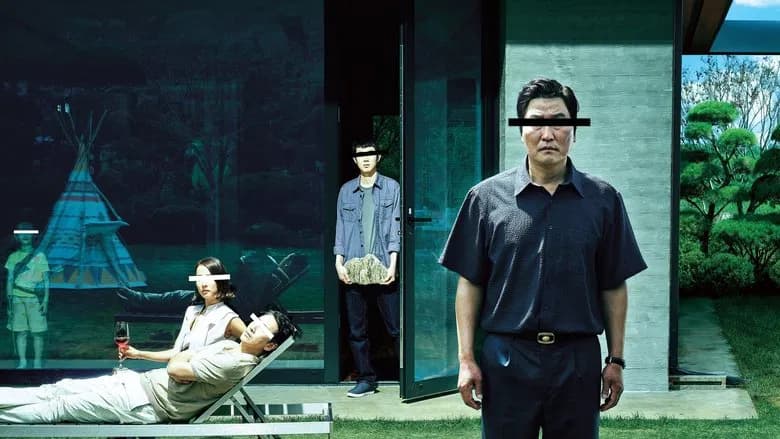
Bong Joon-ho
Uncompromising genre-subversion, vertical class satire, and pitch-black humor.
"Once you overcome the one-inch-tall barrier of subtitles, you will be introduced to so many more amazing films."
Abrupt emotional shifts from slapstick to horror, vertical spatial metaphors, and surgical framing.

Stanley Kubrick
Meticulous one-point symmetry, chilling philosophical detachment, and visual perfection.
"If it can be written, or thought, it can be filmed."
One-point perspective hallways, classical music counterpoint, and cold anthropological observation of humanity.

Wes Anderson
Pastel diorama perfection, melancholic family whimsy, and deadpan charm.
"That’s the kind of movie I like to make—it’s like a little world in a glass case."
Planar camera movements (whip pans & 90-degree tracking), pastel color palettes, and deadpan delivery.
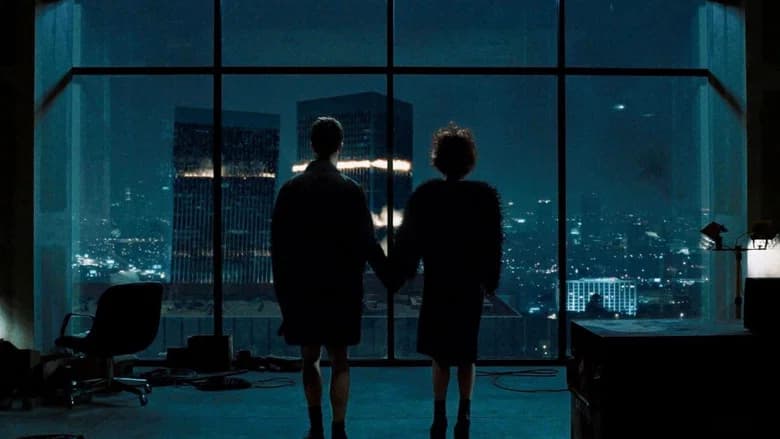
David Fincher
Obsessive procedural mastery, low-key lighting, and psychological cynicism.
"People will say, "There’s a million ways to shoot a scene." But I don’t think so. There’s maybe two, and one is wrong."
Micro-controlled robotic tripod pans, yellow-green fluorescent color casts, and razor-sharp digital cleanliness.